

.png)


Precision Motor Control. Built for Real-World Machines.
Performance Snapshot
32S

135V

200A

15A

Battery Intelligence. Built for Integration.
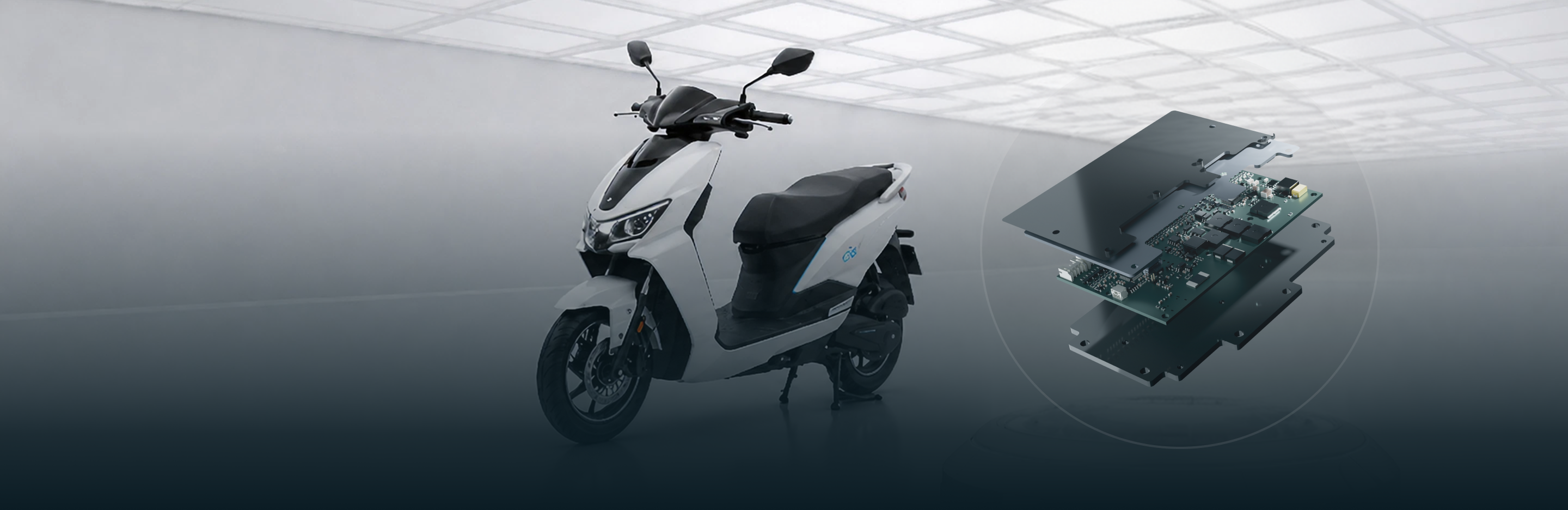
VESC battery management systems are engineered for high-performance lithium battery packs across electric mobility and industrial platforms. Built on VESC architecture, they deliver precise cell monitoring, active protection, intelligent balancing, and seamless controller communication — making battery systems safer, smarter, and easier to integrate.
Designed for modularity, scalability, and reliability, our battery systems form the intelligence layer behind every electric platform.
%20(1).png)
Key Capabilities of the Product
- Real-time cell voltage, current, and temperature monitoring
- High-accuracy State of Charge (SOC) and battery health estimation
- Intelligent passive cell balancing for improved pack longevity
- CAN communication for seamless integration with VESC motor controllers
- Configurable charge/discharge parameters via VESC Tool
- Onboard fault logging and diagnostics
- High-current architecture supporting up to 200A output
- Compact, rugged design for vehicle and industrial environments
- OTA-ready architecture for future firmware updates
- Plug-and-play integration for faster development cycles


.png)
Designed for Diverse Electric Mobility Platforms
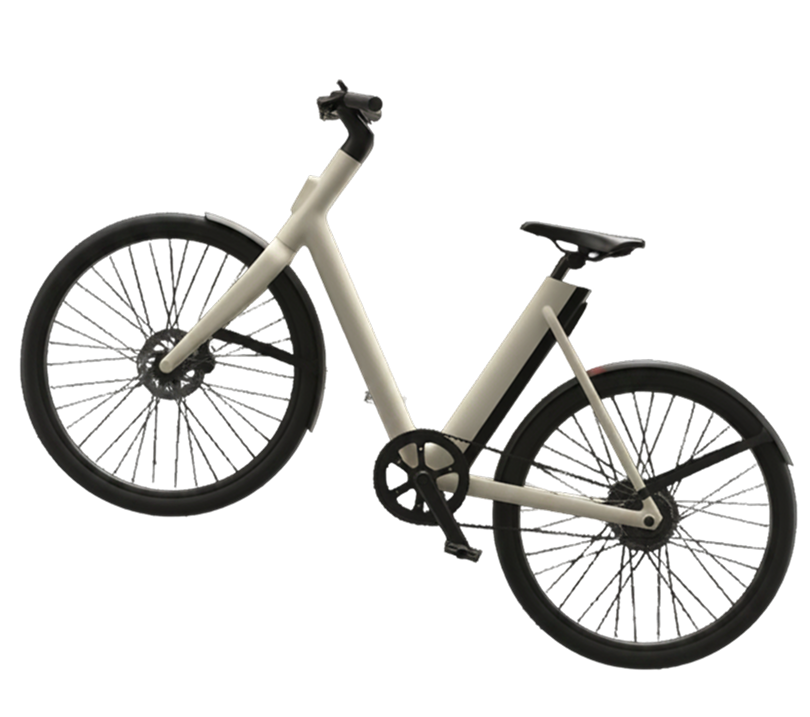
Electric Bikes
Electric bikes and Light mobility platforms
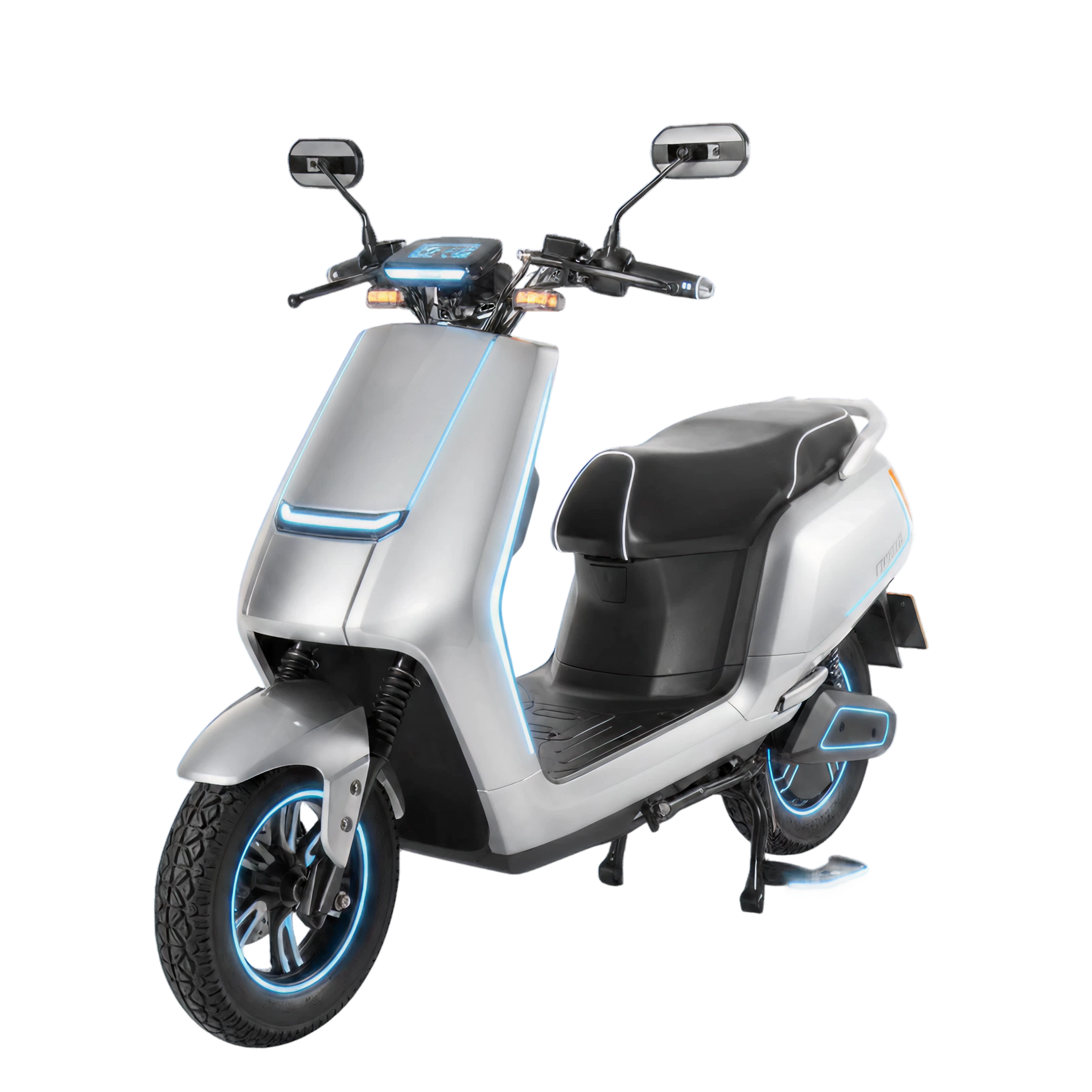
Electric 2-Wheelers
Electric Scooters, Mopeds, and Motorcycles.
Light Electric Vehicles
Passenger e-rickshaws, cargo three-wheelers and urban delivery vehicles.

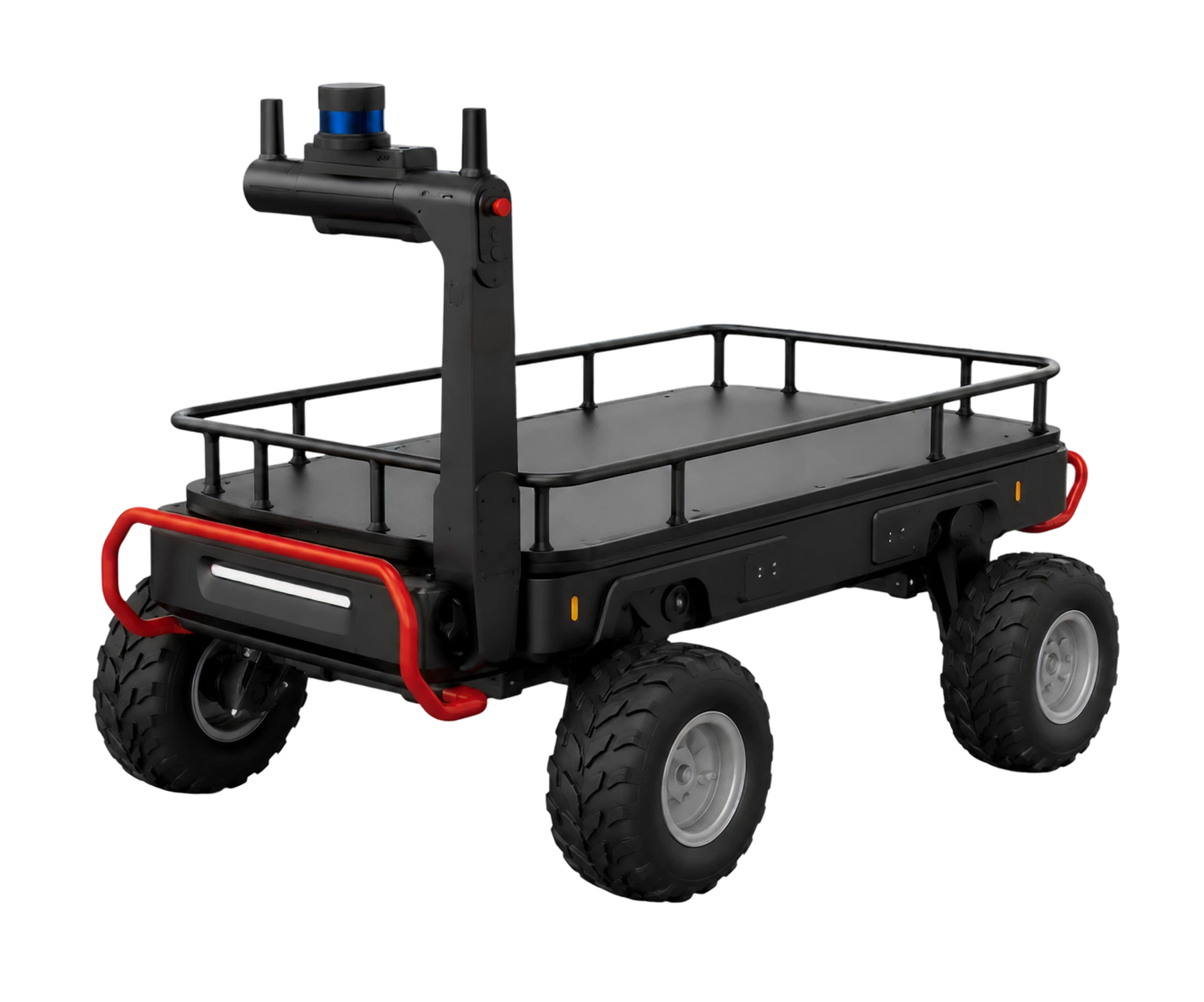
AGVs
Autonomous robots, material handling systems and experimental mobility platforms.

Battery Intelligence for Modern Electric Systems
Precision Cell Monitoring
High-accuracy monitoring of individual cell voltages, pack current, and temperature ensures balanced performance and real-time battery health visibility.
Intelligent Balancing & Protection
Built-in balancing and advanced protection logic safeguard against over-voltage, under-voltage, over-current, short circuits, and thermal events.
Reliability-Centric Architecture
Designed with industrial-grade electronics and fault-tolerant protection systems for long-term durability across demanding mobility and energy applications.
Real-Time Battery Intelligence
Continuous tracking of State of Charge (SOC), temperature, and pack behavior enables smarter energy usage and improved battery life.
Built for Seamless Integration
Open CAN communication allows direct integration with motor controllers, chargers, displays, and vehicle control systems for a unified powertrain ecosystem.
.png)

VESC Software
Platform
Complete configuration, monitoring and firmware control tools for engineers.
Desktop Configuration Tool
Configure, tune and monitor the controller through powerful desktop software, with built-in scripting for custom vehicle logic and real-time diagnostics.

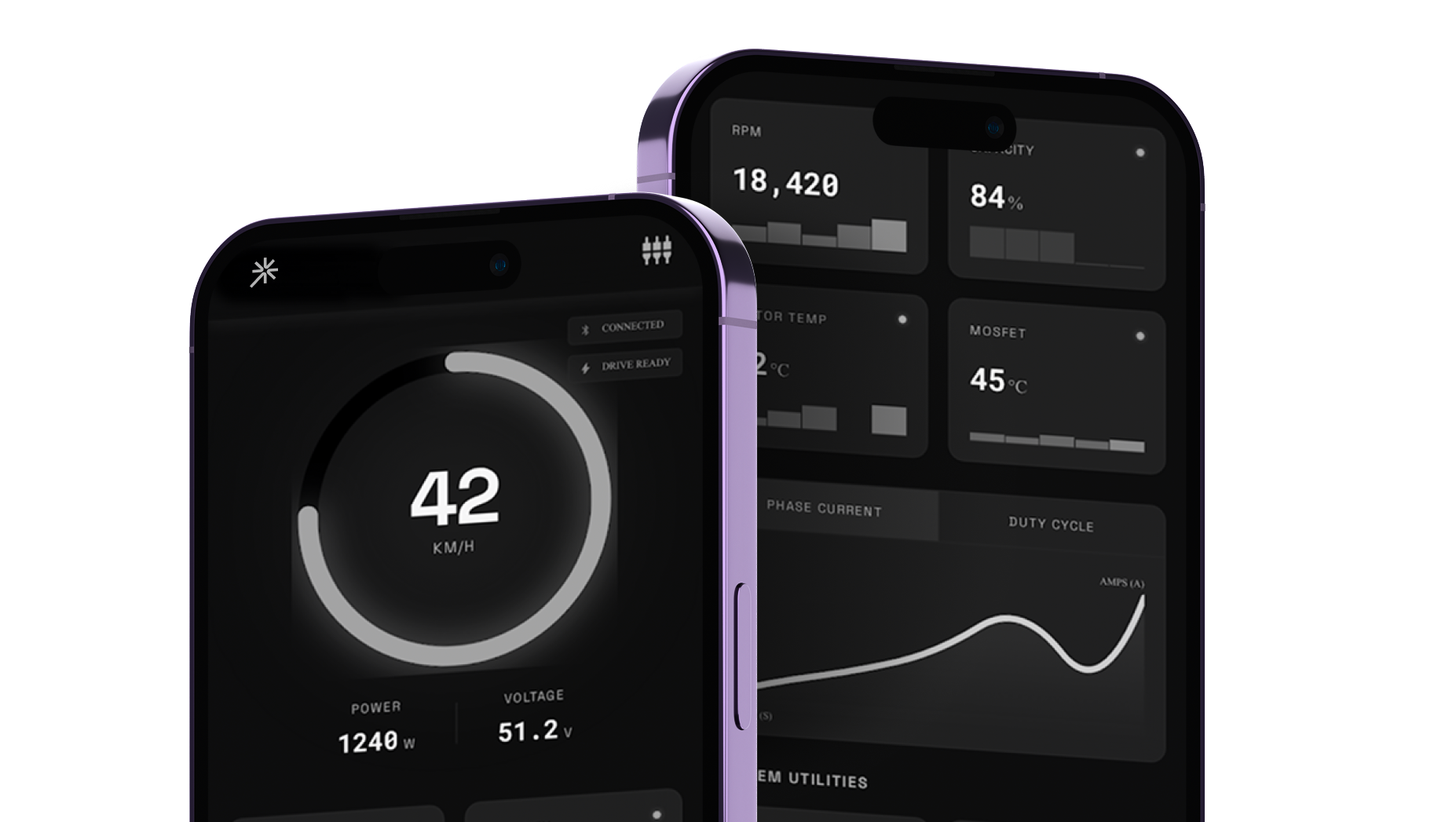
Mobile Monitoring App
Configure, tune and monitor the controller through powerful desktop software, with built-in scripting for custom vehicle logic and real-time diagnostics.

Let’s Build the Next Generation of Electric Mobility Systems